Views: 0 Author: Site Editor Publish Time: 2026-01-05 Origin: Site
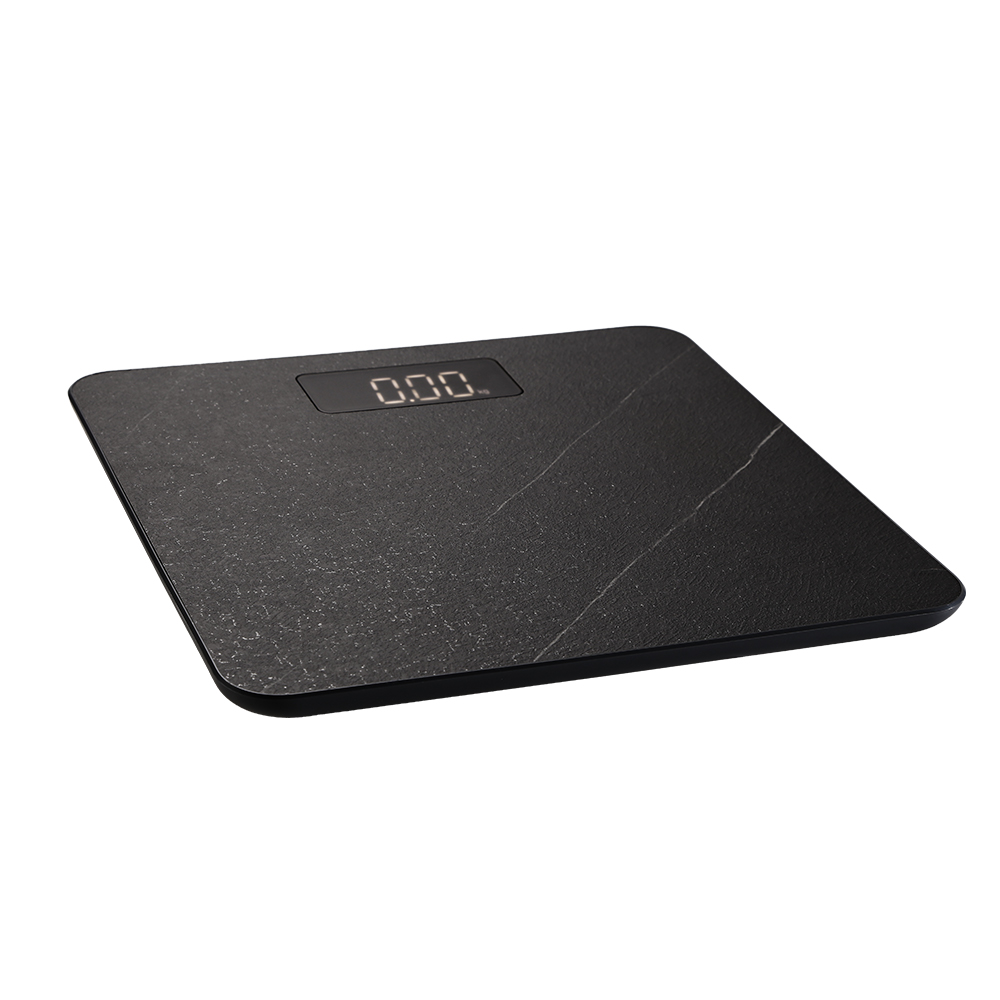
You use weighing scales every day. You check your body weight with them. You also measure ingredients in your kitchen. Most weighing scales are in three main types. These are mechanical, digital, and analytical. These devices measure force or pressure. They change it into a weight you can read. The market for weighing equipment is growing worldwide. Businesses and homes need accurate results.
You should always pick a scale that is accurate and reliable. In factories, even small mistakes can cost money. Mistakes can also hurt product quality. Accurate weighing helps with inventory. It also cuts down on waste. It makes sure products follow rules and standards.
Bench scales
Platform scales
Floor scales
Regular care helps your weighing equipment work well. It also makes it last longer.
Pick the best weighing scale for your needs. Mechanical scales are simple to use. Digital scales are fast. Analytical scales are very exact.
Take care of your scale often. Calibrate it to keep readings correct. This helps your scale last longer.
Know how scales differ in accuracy and capacity. This helps you choose the right one for your job.
Digital scales give fast and exact results. They work well in kitchens, labs, and stores.
Think about where you will use the scale. Strong scales with good protection are important for factories.
You can find many weighing scales in homes, stores, and labs. There are three main types: mechanical, digital, and analytical. Each one measures weight in its own way. The table below shows how these types are different.
Type of Scale | Mechanism Description | Key Applications |
|---|---|---|
Mechanical Scales | Use a spring’s tension or compression to estimate weight. | Common household use, e.g., bathroom scales. |
Digital Scales | Utilize electronic load cells to measure weight and provide fast readings. | Industrial, commercial, and household settings. |
Analytical Balances | Compare unknown mass to a known mass for precise measurements in labs. | Laboratory settings, quality control, and research. |
There are also special scales for certain jobs. Ultra precision scales are used in labs. Retail scales are found in stores. Factories use industrial floor scales. Moisture analyzers check water in materials. Parcel and shipping scales help figure out shipping costs. Portable vehicle scales weigh trucks at building sites. Micro balances measure very small amounts in science and medicine. Precision balances and compact scales are good for labs and field work.
Tip: Pick a weighing scale that fits your needs. If you need very exact results, use an analytical or ultra precision scale. For normal jobs, a mechanical or digital scale is fine.
Weighing scales measure the force or pressure from an object. Mechanical scales use springs. When you put something on the scale, the spring moves. The scale shows the weight by how much the spring moves.
Digital scales use load cells. When you put something on the scale, the load cell feels the force. The scale turns this force into an electronic signal. You see the weight on a screen. These scales are fast and give correct results.
Analytical balances work in a special way. They compare the mass of something unknown to a known mass. These scales are used for very careful measuring. You see them in labs and research places.
Some weighing scales are grouped by their technology. The table below shows some common types and what they are best for:
Type of Scale | Description | Best Use Cases |
|---|---|---|
Strain Gauge | Most used for industry; good price and accuracy. | Warehouses, shipping, and basic production. |
Force Motor | Very exact but expensive; best for labs. | Research labs and medicine making. |
Ultra Precision SAW | Has lab-level accuracy and works in factories; needs little care. | Industry jobs that need high accuracy. |
There are many kinds of weight scales. Each one helps with different tasks. You can choose the right one by thinking about how exact you need it, how fast you need results, and where you will use it.

You see analog scales in homes and stores. These scales use a spring inside to measure weight. When you put something on the scale, the spring stretches or squeezes. The pointer moves on the dial to show the weight. This happens because of Hooke's Law. The spring stretches more when you add more weight. The dial shows how much the spring moves. You do not need batteries for these scales. The display is always ready to use. Many people call these spring scales. You can trust them for simple weighing jobs. The way they work is easy to understand. You can watch the parts move when you use the scale.
Mechanical scales have good and bad sides. The design makes them strong and simple. The parts can handle dust and water. These scales do not break easily. The display does not need power. The pointer can be hard to read for small changes. These scales are less exact than digital ones. They need regular checks to work well. The dial can wear out after a while. Mechanical scales work slower than digital scales. The features are basic. These scales do not save data. They are best for quick checks.
Feature | Mechanical Scales (Analog Scale) | Digital Scales |
|---|---|---|
Simplicity | Analog, no batteries, very durable | More complex, needs power |
Environmental Resistance | Analog parts resist dust, moisture, temperature | Less resistant |
Risk of Failure | Analog, low risk of failure | Higher risk |
Precision | Analog, less precise | More accurate |
Calibration | Analog, needs regular checks | Easier calibration |
Readability | Analog dial can be hard to read | Clear digital display |
Response Time | Analog, slower | Faster |
Advanced Features | Analog, limited | More features |
Note: Use an analog scale if you want a simple and tough tool for basic weighing.
You can use analog scales in many places. The design works well in dry, dusty, or wet areas. These scales are common in warehouses, building sites, and food factories. The pointer helps you weigh bags, boxes, and parts. These scales are easy to clean. The dial is safe for food and medicine. The mechanism is good for weighing seeds, chemicals, and animals. These scales are also used in mining and electronics. The display is clear for most jobs.
Industry/Scenario | Application Description |
|---|---|
General Warehouses | Analog scale for dry packaged goods |
Construction Material Storage | Analog scale for steel and cement bags |
Logistics Transfer Stations | Analog scale for loading/unloading goods |
Metal Processing Workshops | Analog scale for semi-finished parts |
Food Processing | Analog scale for meat, baking, and drinks |
Pharmaceutical Packaging | Analog scale for raw materials in capsules/tablets |
Cosmetics Manufacturing | Analog scale for paste and liquid raw materials |
Electronic Assembly | Analog scale for weighing components |
Aerospace Component Production | Analog scale for lightweight materials |
Automobile Assembly Lines | Analog scale for sampling components |
Agricultural Lightweight Weighing | Analog scale for seeds and supplies |
Electronics | Analog scale for various weighing tasks |
Agriculture | Analog scale for livestock, seed, and produce |
Chemicals | Analog scale for hazardous materials |
Mining | Analog scale for mining materials |
Tip: Pick an analog scale if you need a tough and simple tool for many weighing jobs.
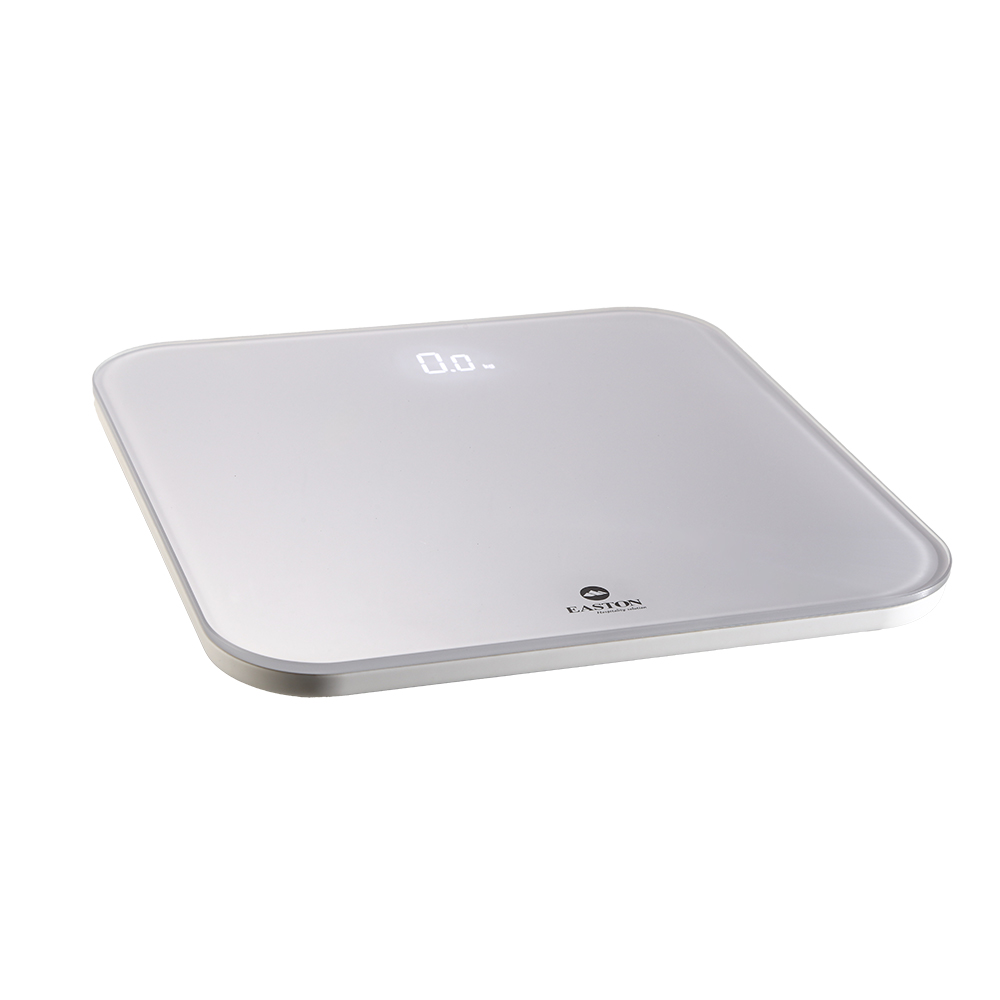
You use a digital scale when you want quick results. You put something on the plate. The scale feels the force from the weight. It uses sensors called load cells. These sensors turn force into an electronic signal. The microprocessor reads the signal. It shows the weight on a digital screen. You do not wait for a needle to move. The number appears right away. Many digital scales let you pick units like grams, ounces, or pounds.
Tip: Digital scales are fast and easy to read. They help you avoid mistakes.
The main part of a digital scale is the load cell. The load cell checks how much the plate bends with weight. Strain gauges stick to the load cell. When you add weight, the load cell bends a bit. This bending changes the resistance in the strain gauges. The scale turns this change into a number you see. This makes digital scales very exact. You can trust them for small changes in weight.
Some things can change accuracy. These include temperature, sensor errors, and how long weight stays on the scale. Good digital scales use special parts to fix these problems.
Digital scales have many good points. They are very accurate and show results fast. You can save weight records and connect to a computer. The screen is big and easy to read. The design is small, so you can move it easily. You can use digital scales in many places:
In the kitchen, you measure food for recipes.
In the bathroom, you check your body weight.
In jewelry stores, you weigh gold and gems.
In supermarkets, you weigh fruits, meat, and cheese.
In health clinics, you measure food for diets.
Digital scales also have some downsides. They cost more than mechanical scales. You need batteries or electricity. The electronic parts may need more care and fixing.
Feature | Digital Weighing Scales | Mechanical Weighing Scales |
|---|---|---|
Power Source | Needs electricity or batteries | No power needed |
Accuracy | Very accurate with load cells | Less accurate, can have human mistakes |
Readability | Big LCD screen, easy to see | Needle takes time to settle |
Data Handling | Can save data and link to computers | Not much data saving |
Portability | Small and easy to carry | Usually bigger and heavier |
Cost | Costs more because of technology | Costs less, simple design |
Maintenance | Needs more care for electronics | Needs less care, just mechanical parts |
Note: Pick a digital scale if you want fast, exact, and easy-to-read results for home, work, or lab.
You use analytical and precision balances for very exact results. These scales can measure very tiny amounts. Analytical balances read as small as 0.0001 grams. Precision balances usually read between 0.001 and 0.01 grams. Analytical balances have a draft shield that blocks air. This shield helps keep readings steady. Many models have automatic calibration. You do not need to adjust them by hand. You often see these balances in labs where accuracy is important.
Feature | Analytical Balances | Precision Balances |
|---|---|---|
Readability | 0.0001 grams (0.1 mg) or micrograms | 0.001 grams (1 mg) to 0.01 grams (10 mg) |
Capacity | 60 grams to 320 grams | Several hundred grams to 64 kilograms |
Weighing Principle | Electromagnetic force compensation | Electromagnetic force restoration or strain gauge |
Draft Shield | Yes, enclosed weighing chamber | May include a draft shield |
Calibration | Automatic internal calibration | Internal or external, depending on model |
Common Uses | Chemical analysis, pharmaceutical formulation | Sample preparation, quality control |
Pros | Microgram-level accuracy | Higher capacity, robust design |
Cons | Higher cost, sensitive to environment | Not suitable for ultra-high precision |
Tip: Pick an analytical balance if you need to measure very small samples with high accuracy.
Analytical balances use the force motor principle for precise results. This method uses an electromagnetic force motor to balance the weight. The scale keeps the pan steady by changing the electric current. The amount of current matches the weight of your sample. Digital technology helps fix temperature changes and other small errors.
Principle | Description |
|---|---|
Electromagnetic Force Motor | Uses an electromagnetic force motor to balance the unknown weight. |
Current Proportionality | The current needed to keep the pan steady matches the weight being measured. |
Digital Technology | Improves accuracy by fixing temperature and magnetic circuit issues. |
You find analytical and precision balances in science and industry. These balances help you:
Prepare samples by weighing reagents, compounds, and solutions.
Do analytical techniques like titrations and chromatography.
Make and check medicine to ensure correct dosing.
Study the environment by weighing water and soil samples.
Type of Balance | Readability | Applications |
|---|---|---|
Lab Analytical Balances | 0.1mg (0.0001g) | Chemical analysis, pharmaceutical formulation, quality control |
Precision Balances | 0.01g to 0.001g | Preparing chemical solutions, weighing larger samples, general lab work |
You should use these weighing scales when you need the highest accuracy for science, medicine, or quality control.
There are many weighing machines for special jobs. Bench scales, counting scales, and medical scales have different features. Bench scales are used in labs, stores, and food factories. Counting scales help you count items by their weight. Medical scales check body weight and sometimes height.
Industrial scales are found in many places. Crane scales weigh heavy things that hang from hooks. Kitchen scales help you measure food for cooking. Platform scales have flat tops for boxes and crates. Bench scales are small and easy to carry. Balance scales use two pans to compare weights. The table below shows how these scales are different:
Scale Type | Design Features | Intended Use |
|---|---|---|
Crane Scales | Made for hanging heavy loads, use hydraulic or electronic systems. | Used in shipping yards and building sites. |
Kitchen Scales | Made for exact food weighing, have tare and small size. | Used in kitchens at home and work. |
Platform Scales | Flat top for weighing, use load cells or springs. | Good for warehouses and shipping. |
Bench Scales | Small and easy to move, good for exact weighing in many places. | Used in labs and stores. |
Balance Scales | Use two pans and a beam or electronics to measure mass. | Used in labs and for checking quality. |
Wall kitchen scales save space and help with cooking.
Digital kitchen scales with tare let you weigh many foods fast.
Many kitchen scales last a long time, even if used a lot.
Think about what you need before picking a scale. The table below lists important things to look at:
Criteria | Description |
|---|---|
Capacity | The smallest and biggest weights you will measure. |
Minimum Capacity | The lightest thing you can measure correctly. |
Unit Prices | The cost of things you will weigh. |
Tare Function | If you need to subtract the weight of containers. |
Physical Characteristics | The design of the items you will weigh. |
Direct Sales Use | If you will use the scale for selling things directly. |
Where you use the scale is important. For wet or dusty places, pick a tough scale.
Protection ratings help you choose. IP 40 is for offices. IP 54 is for light dust. IP 65 and IP 67 are for wet or dusty places. IP 68 is for very wet spots.
Always check if you need very exact results or just a quick answer.
When you pick industrial scales, look for accuracy and trustworthiness. The right scale helps you work faster and make fewer mistakes.
You want your scale to give the right number. Accuracy means your result is close to the real weight. Precision means you get the same result each time you measure. Different scales have different accuracy and precision.
Mechanical scales are tough and last long. They are not as precise as digital scales. Digital scales use sensors to check weight. These sensors help you get very accurate numbers. Studies show digital scales are better than analog for accuracy. Some smart scales, like Withings, can measure within 0.2 pounds. In labs and clinics, digital scales are best for health and science. Analytical balances give the highest precision. You use them for tiny amounts in chemistry or medicine.
Digital scales are more accurate than mechanical ones.
Analytical balances are most precise but also very sensitive.
Hybrid scales mix the best parts of both types.
Note: Pick digital or analytical scales for very exact results. For simple jobs, a mechanical scale works fine.
Think about how much weight you need to measure. This is called capacity. You also want your scale to last a long time. That is durability.
Scales can measure many weights. You can use them at home, in stores, or in factories.
Balances are for small weights. They are best for science and labs.
High-capacity scales can handle heavy use. They do not break easily.
A little extra capacity lets you use the scale for more jobs.
If you pick a scale with too much capacity, you may lose accuracy.
Durability matters if you use your scale every day. Heavy-duty scales last longer and need less fixing. Analytical balances are delicate. You must handle them with care.
Scale Type | Typical Capacity Range | Durability Level | Best Use Case |
|---|---|---|---|
Mechanical Scale | Up to 300 kg | Very durable | Warehouses, markets |
Digital Scale | 0.1 g to 200 kg | Durable, electronics | Home, lab, industry |
Analytical Balance | Up to 320 g | Sensitive, delicate | Labs, research |
Tip: Pick a scale that fits your needs. Do not choose one that is too big or too small.
You want a scale that is simple to use and clean. The display should be easy to see. The buttons should be simple. You should not need many steps to get your result.
"We check if the numbers are easy to see. We also see if you can change settings. For smart scales, we look at the app and if it saves your data."
Digital scales are easy to read. You see the number right away. Many have big screens and bright lights. Smart scales can save your weight and send it to your phone. Mechanical scales have a dial. Sometimes, the pointer is hard to see in low light.
You need to care for your scale to keep it working well. Here are some tips:
Make sure the scale is level and clean every day.
Clean the body and platform every week.
Calibrate the scale with a known weight every month.
Change batteries or check power when needed.
Keep the scale away from sunlight, water, and dust.
Store the scale in a safe place so it does not get bumped.
Frequency | Task | Why It's Important |
|---|---|---|
Daily | Check if surface is level and clean | An unlevel surface causes bad readings |
Weekly | Clean the scale | Dust can block moving parts |
Monthly | Calibrate with a known weight | Keeps the scale accurate |
As Needed | Replace batteries or check power | Low power causes display problems |
Note: A clean and level scale gives the best results.
Calibration means setting your scale to give the right number. Every scale has a small error. No scale is perfect. Even test weights have tiny errors.
Calibration Aspect | Example Value |
|---|---|
Process Requirement | ±5 grams |
Test Equipment Capability | ±0.25 grams |
Manufacturer's Accuracy | ±0.25 grams |
Calibration Tolerance | ±1.25 grams |
Mass Standard Accuracy | ±0.3125 grams |
You should calibrate your scale at least once a year. If you use it for important work, check it more often. Use certified weights for testing. Keep these weights clean and check them every year.
Mistakes can happen if you do not use your scale the right way. Here are some errors and how to avoid them:
Calibration Error Type | Description | Prevention Method |
|---|---|---|
Overload Error | Load is too heavy for the scale | Check the scale’s maximum capacity |
Calibration Error | Scale is not set up correctly | Calibrate the scale often |
Drift Error | Scale readings change over time | Use in a stable place and calibrate regularly |
Environmental Error | Temperature or humidity changes affect accuracy | Keep scale in a controlled room |
Tare Error | Wrong tare weight used | Check and adjust tare weight |
Surface Error | Scale is not on a flat surface | Place scale on a level surface |
Mechanical parts can wear out and cause mistakes.
If the scale is not level, you get wrong results.
Putting weight on the side or overloading can change calibration.
Vibrations and temperature changes can also cause errors.
Tip: Calibrate your scale often and use it carefully for the best results.
When you compare scales, look at these things:
Accuracy and reliability
Capacity and size
Display and data features
How easy it is to use and clean
How often you need to calibrate
Pick the scale that fits your needs best. Accurate scales help you do your work right and avoid mistakes.
You need to pick a weighing scale that fits your needs. If you work in a factory, you want a scale that is very accurate and strong. You may also need extra features for your job. At home, you just need a simple scale that does not cost much. The table below shows how industrial and home scales are different:
Consideration | Industrial Use | Household Use |
|---|---|---|
Accuracy | Vital | Important |
Capacity | Broad range | Everyday items |
Cost | Higher upfront | Budget-friendly |
You should check and care for your scale often. This helps your scale stay correct. Good measurements help you finish work faster and make fewer mistakes.
You should calibrate your scale at least once a year. If you use it for important work, check it more often. Regular calibration keeps your results accurate.
Use a soft, damp cloth to wipe the surface. Avoid harsh chemicals. Make sure the scale is dry before you use it again. Clean your scale every week for best results.
Think about what you will weigh and where you will use the scale. Check the capacity, accuracy, and features. Pick a scale that matches your tasks and environment.
Uneven surfaces, low batteries, or dirt can cause errors. Place your scale on a flat surface. Keep it clean and check the batteries. This helps you get steady results.
When selecting durable weighing scales for outdoor processing or logistics, precise weight measurements are essential for transport and installation. For instance, heavy outdoor furniture like an aluminum louvered pergola or a spacious outdoor sectional sofa requires heavy-duty platform scales to ensure accurate freight calculations and weight distribution during shipping. Understanding scale capacities guarantees smooth handling for large garden setups.