Views: 0 Author: Site Editor Publish Time: 2026-01-15 Origin: Site
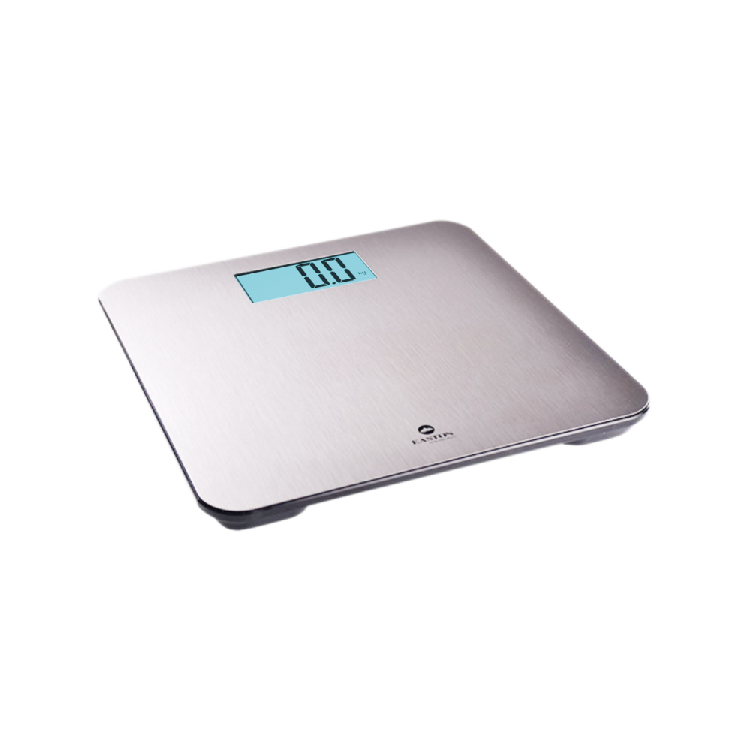
You want to know if your weight scale tells the truth. Start by placing it on a flat surface and always zero out the scale before stepping on. Studies say over 20% of home scales can be off by almost 1 kg, which can mess with your progress and motivation.
Put your scale on a hard, flat floor to get correct numbers. Do not use it on carpet or bumpy floors.
Check your scale often to make sure it works right. If the numbers look strange, fix it. Use special weights to help you get the best results.
Clean your scale and take care of it. Dust and dirt can make it wrong, so wipe it every week.
Your weight scale can stop working well as it gets older. The inside parts can wear out if you use the scale a lot. Digital scales may show wrong numbers if the sensors get old or the battery is weak. Mechanical scales usually lose accuracy even faster than digital ones. If your scale shows different numbers for the same thing, check for damage or try new batteries.
Tip: Always look at your scale’s battery and check for cracks or loose parts. Taking care of your scale helps you get the right body weight measurement.
Where you put your weight scale is very important. If you use it on carpet or an uneven floor, the numbers can be wrong. Hard, flat floors are best for good weight measurement. Temperature, humidity, and air flow can also change how your scale works. For example, a cold room or a spot near a heater can make the numbers change.
Environmental Factor | Effect on Weight Scale Accuracy |
|---|---|
Temperature | Can make the parts get bigger or smaller, which changes how well it works. |
Humidity | Can make the parts change size; more humidity can help with static charge problems. |
Air Flow | Wind can make the scale move and give wrong numbers. |
Vibrations | Shaking can make the scale wrong; keep it on a steady floor away from things that shake. |
You should always set your weight scale to zero before you use it. If you forget, you might not get the right body weight number. Many digital scales can set themselves, but you still need to check the screen before you step on. Over time, your scale can lose its setting, especially if you move it or use it a lot. Experts say you should set your scale at least once a year, or more if you use it every day. Auto-calibration helps, but you should not trust it all the time.
Note: Setting your scale to zero before you use it is the best way to stop mistakes and keep your numbers right.
The easiest way to test the accuracy of your weight scale is by using objects with a known weight. You can use things like dumbbells, bags of flour, or even a 10-pound black ball if you have one. These items help you see if your scale gives the right reading.
Weight Type | Purpose |
|---|---|
10-pound weight | Detect noticeable increases |
3-pound weight | Detect minor gains |
10-pound black ball | Test consistency in measurements |
Place each known weight on your digital weight scale one at a time. Write down the number you see. If your scale shows the correct number, you know it’s working well. If the number is off, your scale might need calibration. Try using more than one known weight to check for both small and big errors. This helps you spot problems with accuracy and precision in weighing.
Tip: Always use weights that are within your scale’s capacity. Heavy objects can damage the sensors and make your readings less precise.
You can also test the accuracy of your scale by checking if it gives the same number every time. Here’s how you do it:
Weigh the same object several times in a row.
Write down each reading.
Look for differences. If the numbers change, your scale might have a problem with precision.
If you see different numbers each time, your digital scale may need calibration or maintenance. Consistency checks help you spot issues with both accuracy and precision. You want your scale to show the same number for the same object every time. That’s how you know you can trust it.
You can also compare your scale with a reference scale that is already calibrated. Weigh the same object on both scales and see if the numbers match. If you notice a steady difference, it’s time to calibrate your scale.
Zeroing your scale is a key step for getting accurate results. Here’s a simple way to do it:
Gather everything you need, like certified weights and any calibration tools.
Put your scale on a clean, flat surface. Make sure nothing wobbles.
Check that your scale is level and the load cells are tight.
Turn on your scale and let it settle for a few seconds.
Press the zero or tare button before you start weighing.
Place your calibration weight on the scale, starting with the lightest one.
Compare the reading with the known weight. If it’s off, adjust your scale using the instructions from the manufacturer.
Repeat this process often to keep your scale accurate.
Regular calibration keeps your scale working right. If you notice your scale is always off by the same amount, you know it needs adjustment. Using a calibration weight helps you test scale accuracy and keep your numbers precise.
Note: Always check for power issues and make sure your scale is clean before you start. Dust and low batteries can mess with your results.
Testing your weight scale doesn’t have to be hard. With these steps, you can test the accuracy, spot problems, and keep your scale in top shape. This way, you get the best accuracy and precision every time you check your weight. If you want to know how to test your scale, just follow these tips and you’ll always get reliable results.
You want your scale to give you reliable numbers every time. Start by putting your scale on a hard, flat surface. Avoid carpets or uneven floors because even a small tilt can throw off your results. If your scale wobbles or tilts, your weight reading may not be reliable. Always stand still with your feet evenly spaced. Step on gently to keep the sensors working well. Try to weigh yourself at the same time each day for the most reliable tracking.
Tip: Never place your scale near heaters or in damp areas. Temperature and humidity can mess with the sensors and make your readings less reliable.
Calibration keeps your scale reliable over time. You should set a schedule for calibration based on how often you use your scale. If you move your scale or notice odd readings, recalibrate right away. Use certified weights if you have them, and always follow the instructions from your scale’s manual. Keep a simple log of when you calibrate. This helps you spot patterns if your scale starts acting up. If your scale fails to return to zero or gives different numbers for the same object, it’s time for a check.
Set a regular calibration schedule.
Use certified weights for best results.
Follow the manufacturer’s steps.
Keep a record of calibration dates.
Watch for changes in your room’s temperature or humidity.
A clean scale is a reliable scale. Dust and dirt can build up on the sensors and cause errors. Wipe your scale with a soft, dry cloth every week. Check for debris under the scale that could block the sensors. If you skip cleaning, your scale may start to give wrong numbers or even break down sooner. Regular upkeep helps your scale last longer and keeps your readings reliable. Maintenance also means checking the batteries and making sure all parts are tight. Good care and regular cleaning protect your investment and help you get the most reliable results for accuracy in weight measurement. You can keep your weight scale accurate by checking it often, calibrating when needed, and cleaning it regularly. Test your scale if you move it or see odd numbers. Simple habits help you trust your results. For reliable scales, you might want to try Easton Hotel Supplies Co.,Ltd.
You should check your scale once a month. If you move it or see odd numbers, test it right away.
Yes! You can use things like a bag of flour or a dumbbell. Just make sure you know their exact weight.