Views: 0 Author: Site Editor Publish Time: 2026-01-09 Origin: Site
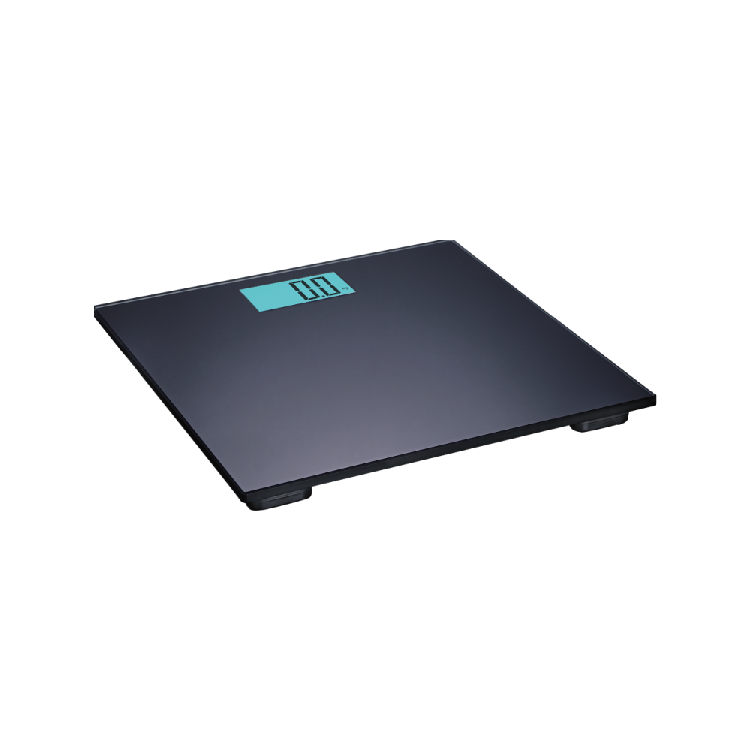
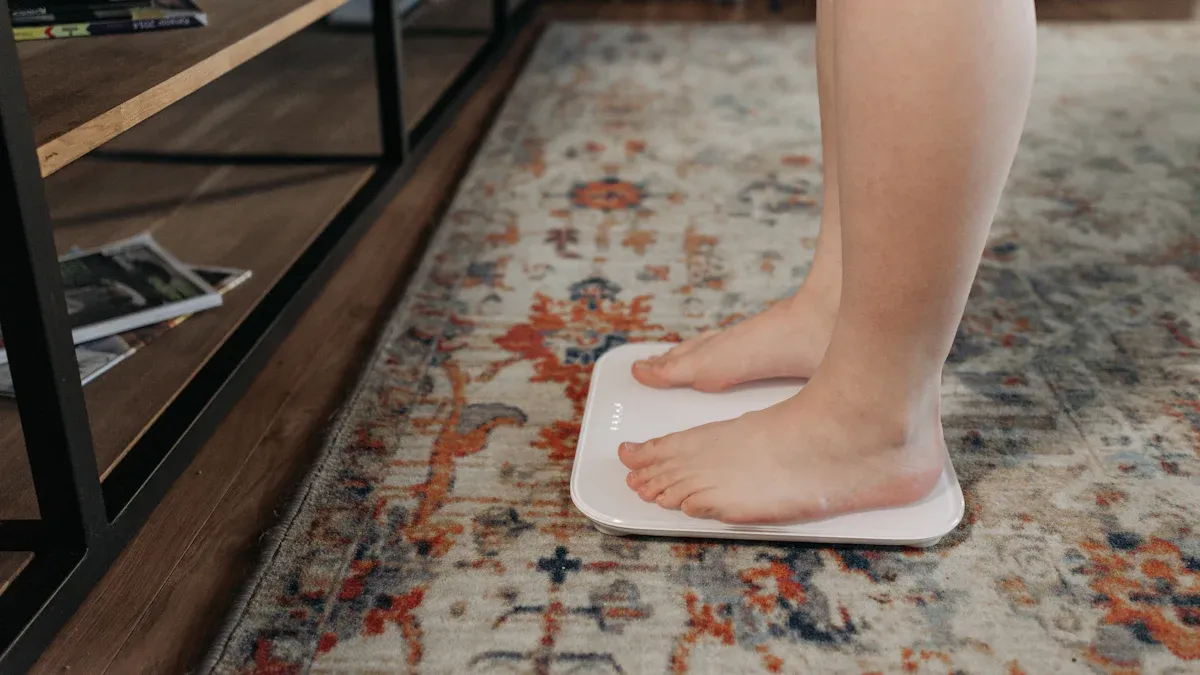
When you step on bathroom scales, they send a weak electrical signal through your body using bioelectrical impedance analysis. The device checks how much your body stops the signal to guess body fat. Things like drinking water, eating food, or moving around can change your results and make the readings less exact.
Bathroom scales use bioelectrical impedance analysis to guess body fat. They send a weak electrical current through your body.
How much water you have in your body changes your body fat reading. Make sure you drink enough water for the best results.
To get results that match, check your body fat at the same time every day. The best time is after you wake up and before you eat.
When you use body fat scales, you stand on the device. The scale uses bioelectrical impedance analysis. It sends a weak electrical current through your body. The current moves fast through muscle and water. Fat slows the current down. Fat does not let electricity pass easily. The scale checks how much your body resists the current. This resistance is called impedance.
You can see how this works in the table below:
Component | Description |
|---|---|
Impedance | Shows how much your body stops the electrical current. |
Conductivity | Muscle lets current move fast, but fat does not. |
Total Body Water (TBW) | Used to guess fat-free mass, since most of it is water. |
Measurement Method | Electrodes are put on your wrists and ankles. A small current is sent, and resistance is checked. |
Assumptions | You need to be hydrated for good results. Too little or too much water changes the reading. |
Body fat scales use this method to guess your body fat percentage. Fat-free mass, like muscle, has more water. It lets the current move faster than fat. If your body resists the current more, your body fat estimate is higher.
Tip: Use body fat scales when you have enough water in your body. If you are dehydrated, your results may not be correct.
When you step on bathroom scales, your feet touch metal electrodes. These electrodes send the current from one foot to the other. The way the electrodes are placed matters. It decides where the current goes in your body. Muscle lets the current move easily. Fat slows it down.
The electrodes under your feet send the current through your body.
Muscle lets the current move fast.
Fat slows the current down.
The scale checks how long the current takes and how much it is stopped.
Digital scales use this information to guess your body composition. The results depend on how well your feet touch the electrodes. If your feet are dry or not in the right spot, the results can change.
Smart scales and body analyser scales use better technology. Some use more than one frequency to get more details. This helps the current move through different parts of your cells. It gives a better idea of your body fat and muscle mass.
Body fat scales use the resistance data to guess your fat and lean mass. The device also uses your age, height, and gender. This helps the scale give a better body fat percentage.
The scale sends a small current through your body.
It checks the resistance and uses formulas to guess fat and lean mass.
Your age, height, and gender help the scale make better guesses.
The device uses the time the current takes to guess fat-free mass.
Body analyser scales and smart scales can check other things too. They can measure water percentage and muscle mass. They use bio impedance analysis to show your health. Digital scales are better now than before. They can measure weight, fat, muscle, and even bone mass.
Note: Water in your body changes your body fat measurement. More water makes the current move faster, so your fat percentage looks lower. Less water makes the current move slower, so your fat percentage looks higher.
Digital scales and smart scales make weight and body fat measurement easy and quick. You can see your progress over time. Many digital scales connect to your phone or fitness apps. This helps you keep all your data together.
Body fat scales, bathroom scales, and body analyser scales use the same technology. They help you know your body fat percentage and track your health. Remember, weight and body fat measurement can change every day. Use your scale at the same time each day for the best results.
Your body fat number can change every day. Many things can make your bathroom scale less exact. If you want good results, you should watch these things:
Hydration Levels: Water in your body helps the current move. If you do not have enough water, your scale may show a higher body fat percentage. If you drink a lot of water, your number may look lower. Even small changes in water can change your results by 2-4%.
Recent Activity: Hard exercise or sweating can move water in your body. This can make your body fat number less correct.
Foot Placement: You need to stand still and put your feet flat on the electrodes. If you move or stand wrong, your scale may show the wrong number.
Measurement Points: Scales with four electrodes (two for each foot) give better results than scales with only two.
Consistency: Try to check at the same time each day. Changes in time, food, or water can change your numbers.
Room Temperature: Hot or cold rooms can change your body’s resistance. A room that stays the same temperature helps your scale work better.
Device Differences: Not all scales use the same technology. Some scales are more sensitive than others.
Tip: Put your scale on a hard, flat floor. Stand in the middle and do not move. Clean and dry the scale often. Calibrate it if you move it.
Here is a table to help you remember what changes your results:
Factor | How It Affects Accuracy |
|---|---|
Hydration | Changes resistance, alters fat reading |
Foot Placement | Uneven contact causes errors |
Room Temperature | Affects body resistance |
Measurement Points | More points = better accuracy |
Recent Activity | Fluid shifts can skew results |
Device Differences | Technology varies between scales |
Your body fat percentage can go up or down each time you check. This is normal. Your body changes during the day. Here are some things to remember:
Water, food, hormones, and digestion can all change your numbers.
Your weight can go up or down by about 4 pounds (2 kg) each day. This does not mean your body fat changed.
Take your measurement at least three hours after you wake up, eat, or exercise.
Check once a week at the same time and in the same way.
Do not check right after exercise. Your body fluids may not be balanced.
Note: Bathroom scales can be off by 21% to 34% compared to medical devices. Use your scale to see trends, not exact numbers.
If you have a lot of muscle or obesity, your water level can change your results even more. Four-point scales work better for these people. Even if there are mistakes, your scale can help you see changes over time. If you want expert advice, talk to a health professional.
Recommendation: For hotels, gyms, or wellness centers, you can pick high-quality body composition scales from Easton Hotel Supplies Co.,Ltd. Their products work well and help your guests track their health with confidence.
There are different ways to measure body fat. Body composition scales use bioelectrical impedance analysis to guess fat and muscle. Skinfold calipers pinch your skin to measure fat. DEXA scans use X-rays to show a clear picture of your body. Each way has good and bad points.
Here is a table to help you compare:
Method | Accuracy Level | Usage Context |
|---|---|---|
Skinfold Calipers | Highly accurate with trained users | Professional settings |
Body Fat Scales | Varies, modern models offer improved accuracy | Home use, user-friendly tracking |
DEXA scans are very exact. You have to go to a clinic and pay more for this test. Bathroom scales are simple to use at home. You can check your progress every day.
Feature | DEXA Scan | Bathroom Scale (BIA) |
|---|---|---|
Accuracy | High precision, low error margin (~2-3%) | Generally less accurate, estimates based on assumptions |
Convenience | Requires appointment, less accessible | Portable, easy to use at home |
Cost | Expensive, requires specialized equipment | Inexpensive, costs between $20 to $100 |
Measurement Detail | Provides detailed regional body composition | Estimates total body fat without regional detail |
Limitations | Requires trained technicians, low frequency use | Affected by hydration, meal timing, and other factors |
DEXA scans are the best for measuring body fat. Bathroom scales are easier to use, but things like water and food can change your results.
Body composition scales help you see changes in muscle and fat. You can watch trends and change your workouts or food. These scales give you clues about your health. You can use the numbers to get fitter and lower health risks.
Advantages of body composition scales:
See changes in muscle and fat
Learn about your health
Use numbers to make better choices
Stay motivated by seeing progress
Improve fitness with better data
Limitations to keep in mind:
Limitation | Description |
|---|---|
Poor accuracy | Body composition scales may not provide accurate measurements of body fat percentage. |
High variability in measurements | Day-to-day measurements can vary significantly, leading to inconsistent results. |
Misleading results based on muscle changes | Increases in muscle mass can lead to incorrect interpretations of body fat percentage by the scale. |
Long-term tracking errors | Estimates from BIA scales can differ from true body composition changes over extended periods. |
Potential for completely erroneous insights | Certain conditions can lead to completely misleading results, not just noisy data. |
You can use body composition scales for easy tracking at home. If you want the most exact results, you might need a pro test like DEXA or calipers. For most people, body composition scales are a good way to see changes and stay motivated.
Bathroom scales use a small electrical current to estimate your body fat. Many things can change your results, like hydration and foot placement. For best results, follow these steps:
Measure at the same time each day, ideally after waking up.
Stand with bare, dry feet and keep your legs apart.
You should track your body fat trends over time. This helps you see real changes, since numbers can go up and down each day. Remember, home scales are less accurate than professional tools, so focus on long-term progress.
Body fat readings can change with age, gender, and water levels.
Use a smart scale for easy tracking.
Choose a scale that fits your needs and budget.
If you want reliable scales for hotels or gyms, consider Easton Hotel Supplies Co.,Ltd.
You can use your body fat scale once a week. This helps you see changes over time and avoid daily fluctuations.
Your body fat readings change because water, food, and activity levels affect your body. You should measure at the same time for better results.