Views: 0 Author: Site Editor Publish Time: 2026-09-18 Origin: Site

No guest ever asked for a fridge by name. They just noticed, somewhere around midnight, whether the room felt right: cold water within reach, wine still crisp from dinner, no hum behind the headboard.
That silent judgment is what separates a room from a stay — and it is exactly where high-end hotel mini fridges earn their place in the spec sheet.
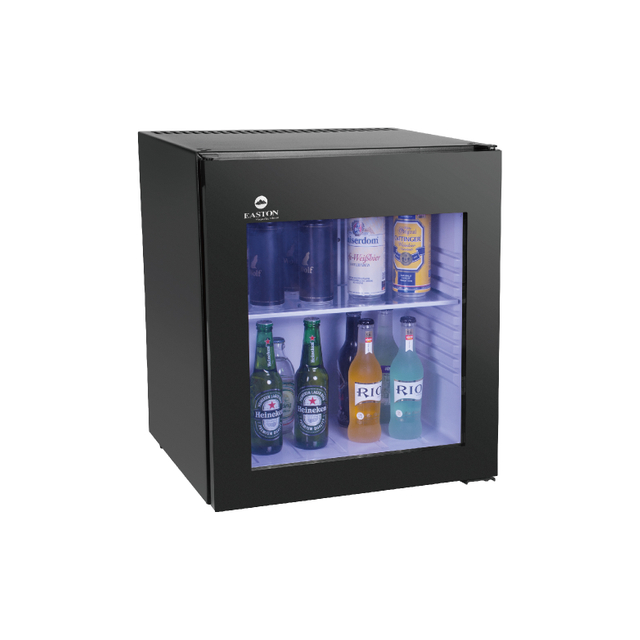
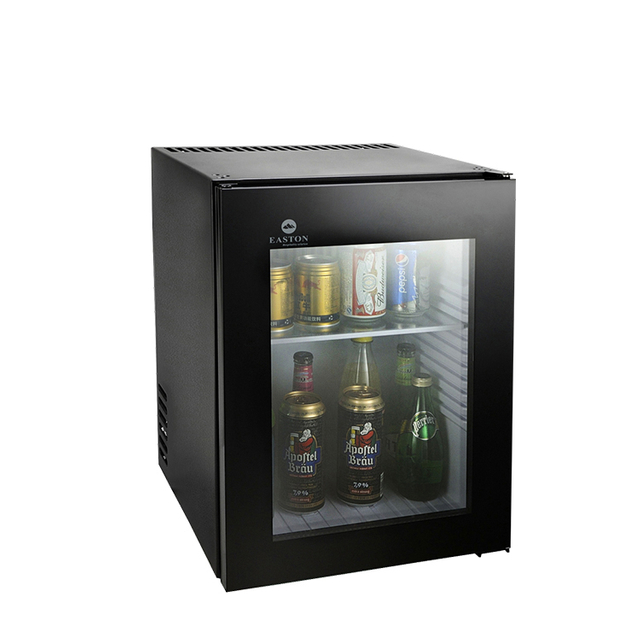
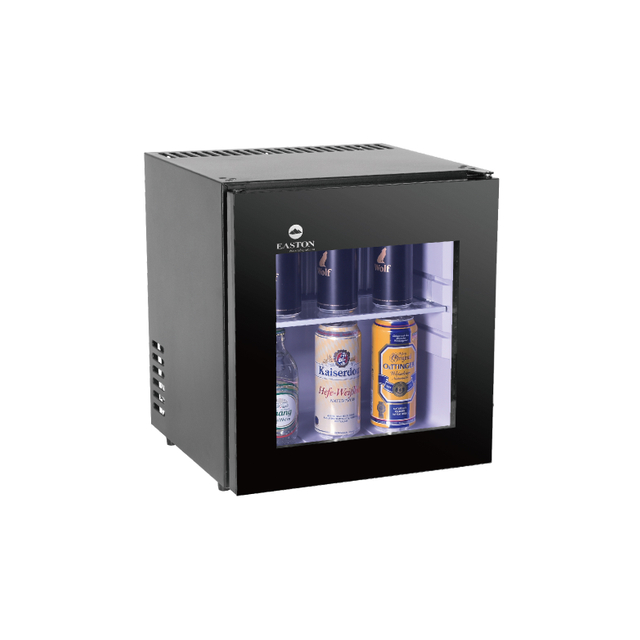
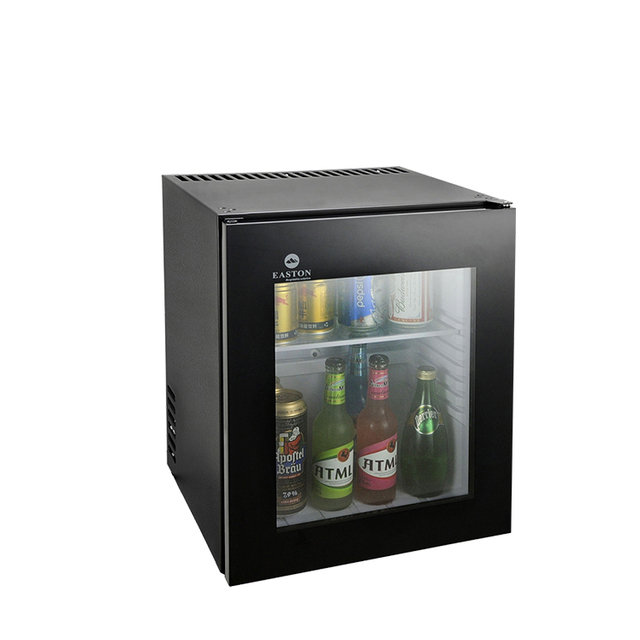
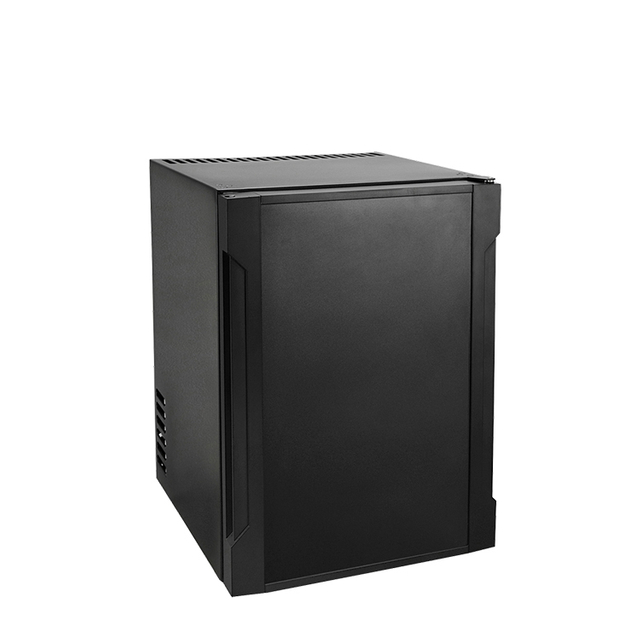
EASTON's ES7534 is a 30-litre hotel minibar built for this moment: food-safe cooling, 38dB, 0.15 kWh a day. Below, we unpack what that means for the person in the bed — and for the person paying the energy bill.
Key Takeaways
38dB sits below a quiet library — guests stop noticing the fridge is running.
Dual temperature bands (4–6°C / 7–9°C) keep medication, breast milk and wine safe, not just cold.
Compressor cooling holds steady temperatures in warm climates where thermoelectric units fade.
0.15 kWh/24h plus automatic defrosting trims both the energy bill and housekeeping time.
CE and CB marks shorten procurement, insurance and green-building checks.
Think about the last complaint your front desk actually logged. Warm beer? Melted dessert? A parent asking where to keep the baby's milk at 6 a.m.? The in-room mini fridge is the amenity guests use more often than the pool — and mention least when it works.
The quiet moments matter most. Business travellers store insulin and temperature-sensitive skincare that must never climb past 8°C. Parents need breast milk kept safe overnight. Wine drinkers expect a half-finished bottle to survive until breakfast. A fridge that only chills to 11°C fails all three.
Commercial-grade units are built to a different standard. The ES7534 holds two operator-selectable bands — 4–6°C for anything perishable, 7–9°C for beverages — with a compressor that keeps them steady in almost any climate. Get this right, and guest satisfaction scores follow without anyone naming the fridge.
38dB quiet · 60W / 0.15kWh · 4–9°C dual bands · Auto defrost · Tempered glass shelves · Foam door · Reversible door · Lock option
The noise level is the first giveaway of a cheap unit. At 38dB, the ES7534 sits below a whisper — most guests never register that it is running. The second giveaway is the door. EASTON's foam door seals cold in and heat out — half the reason daily consumption stays at 0.15 kWh.
Inside, tempered glass shelves absorb the weight of a suitcase dropped nearby and wipe clean in seconds. A low-power interior LED light lets guests find a snack at 3 a.m. without flooding the room. The reversible door lets maintenance flip the swing in minutes, and a door lock — available on request — gives guests control over their minibar billing.
"Sound is the first thing a guest judges at night. The fridge should be invisible."
Buyers should not just read specs; they should translate them. Here is the ES7534 translated.
表格
Metric | EASTON ES7534 | Typical Budget Unit |
|---|---|---|
Capacity | 30 L | 25–40 L |
Cooling core | Compressor | Often thermoelectric |
Noise | 38 dB | 42–48 dB |
Daily energy | 0.15 kWh/24h | 0.3–0.6 kWh/24h |
Defrost | Automatic | Manual, ice build-up |
Certifications | CE, CB | Often unverified |
Footprint | W400×D415×H495 mm, 16 kg | Varies |
Budget-column figures are indicative market ranges for illustration; always confirm against the manufacturer's data sheet.
For a standard guest room, a single door mini fridge like the ES7534 fits the bedside-cabinet footprint while 30 litres covers a family's overnight needs. Suites can step up to a compact hotel refrigerator with the same quiet core.
Two cooling philosophies dominate the market. A mini fridge with compressor works like a full-size kitchen unit: a sealed loop of refrigerant and a small pump pull heat out actively. It cools fast, shrugs off hot summers, and holds 4–9°C in almost any ambient. The trade-off is a faint working tone — 38dB on the ES7534.
A fridge built on thermoelectric cooling is silent by design. It is also limited: most models reach only about 15–20°C below room temperature. In a warm city, that means lukewarm drinks and no safe food storage. Fine for a beverage-only bar; risky for anything perishable.
表格
Factor | Mini fridge with compressor (ES7534) | Thermoelectric unit |
|---|---|---|
Pull-down speed | Fast | Slow |
Ambient dependence | Low — holds 4–9°C | High — struggles in heat |
Noise | ≈38 dB, faint tone | Near-silent |
Energy (typical) | 0.15 kWh/24h | 0.2–0.4 kWh/24h |
Best fit | Guest rooms, food & medication | Drinks-only minibars, cool climates |
Thermoelectric figures are typical published ranges; verify against each supplier's specifications.
Energy efficiency is the number accountants remember: 0.15 kWh/24h per unit, about 55 kWh a year. A 100-room ES7534 fleet draws roughly 5,500 kWh annually; a typical 0.45 kWh unit would draw about 16,400 kWh. The gap — roughly 11,000 kWh — is real money that never appears on the guest's bill.
Automatic defrosting is the quiet labour saver. No ice crust, no puddle, no scraping — housekeeping wipes the shelf and moves on. A mini fridge with auto defrost also protects service life: compressors that never fight a frost layer run cooler and last longer.
There is a softer link too. Guests who can keep their own food, medication and a good bottle in the room stay longer and rebook more. That chain — convenience, reviews, repeat demand — eventually shows up in RevPAR. The fridge quietly becomes revenue furniture.
CE marks conformity with European health, safety and environmental requirements. CB certification, under the IECEE scheme, is recognised across more than 50 countries. Together they shorten procurement, pacify insurers and simplify green-building documentation. The ES7534 ships with both, plus UK or Euro plug options on 220–240V / 50/60Hz — no rewiring on refits. Ask suppliers for the full test reports; the marks mean little without the paperwork behind them.
The honest test of a hotel mini fridge is not a spec sheet. It is a guest sleeping through the night, a parent opening a safe bottle of milk at dawn, and an accountant who cannot find the fridge on the energy bill.
Far-sighted hoteliers already treat the minibar as revenue furniture. The ES7534 is built for that standard — hotel procurement decisions get easier when numbers, certifications and guest experience point the same way.
Request a sample, logo customization or the full data sheet from the EASTON team — one inquiry puts the ES7534 through its paces in a real room. See the ES7534 product page for the complete specification.
1. Why do high-end hotels prefer a mini fridge with compressor over thermoelectric models?
A compressor unit actively pulls heat out, holding food-safe 4–9°C regardless of room temperature. Thermoelectric models reach only about 15–20°C below ambient — risky for food or medication in warm climates.
2. How much electricity does the EASTON ES7534 hotel mini fridge consume?
The ES7534 draws 60W and consumes about 0.15 kWh per 24 hours — roughly 55 kWh a year per room. Versus a typical 0.45 kWh unit, a 100-room property saves around 11,000 kWh annually.
3. Is 38dB quiet enough for a guest bedroom at night?
Yes. 38dB sits below a quiet library and far below a normal conversation — most guests never register that it is running, protecting sleep quality and review scores.
4. Does automatic defrosting really save housekeeping time?
Yes. A mini fridge with auto defrost never forms an ice crust — no scraping, no puddle. Housekeeping wipes the shelf and restocks, reclaiming real labour across a large property.
5. What temperatures does the ES7534 maintain, and why do two bands matter?
It holds two operator-selectable bands: 4–6°C for perishable food, medication and breast milk, and 7–9°C for beverages. The operator chooses the band that fits each room's use case.
6. Can the door swing be changed, and is a lock available?
The door is reversible, so maintenance can flip the hinge side during a refit without extra parts. A door lock is available on request for minibar billing control and medication security.
7. What plugs and approvals should hotel buyers check before ordering?
The ES7534 ships with UK or Euro plugs on 220–240V, 50/60Hz input, and carries CE marking and CB certification. Buyers should also request the full test reports behind those marks.