Views: 0 Author: Site Editor Publish Time: 2026-01-15 Origin: Site
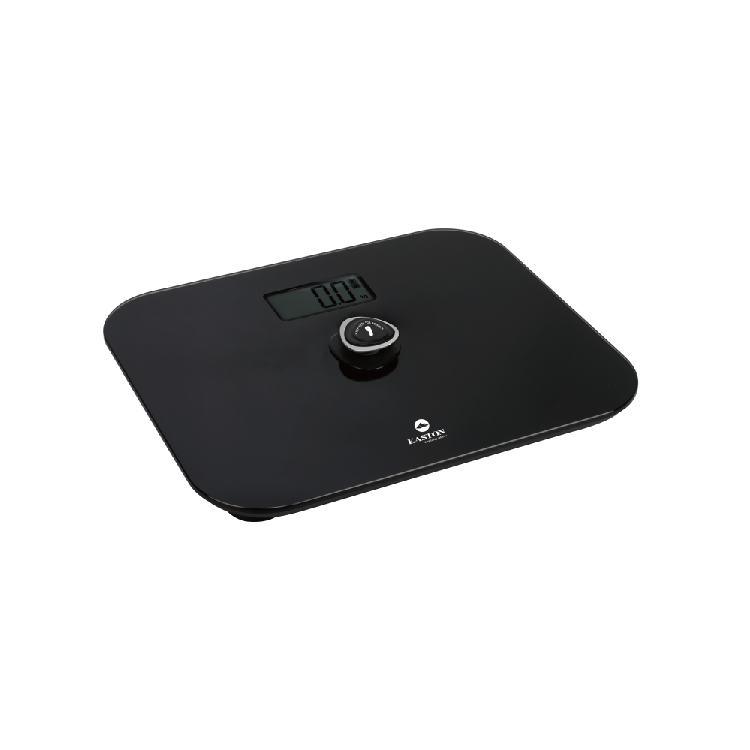
You might ask if digital body weight scales are correct. Digital bathroom scales give a fast and easy way to check your weight. These scales use special sensors that help stop mistakes people make. Analog weight scales do not have these sensors. Studies show digital scales are very exact and stay correct for body weight. But, how you set up and use your digital scale can change the results. Digital scale numbers are best for weight but may not show your real body makeup. The technology in digital body weight scales lets you see changes better than analog scales.
Feature | Digital Scales | Analog Scales |
|---|---|---|
Precision | High, 101 discrete points | Lower, manual error possible |
Human Error | Eliminated | Present |
Usability | May vary | Generally understood |
Response Validity | High | Can be ambiguous |
Digital scales give correct weight numbers because they use good sensors. This makes them better than analog scales. For best results, put your scale on a flat and hard floor. Stand still when you weigh yourself. Check your scale often and change the batteries to keep it working well. Body fat scales can guess your body makeup, but they are not as exact as medical tests. Use them only as a guide. Weigh yourself at the same time every day for steady results. This helps you track your progress better.
Your digital scale works best on a flat, hard floor. If you put it on carpet or an uneven spot, the number can change. Even a little tilt can make the scale show the wrong weight. Stand in the middle with both feet and do not move. If you shift or wiggle, the sensors might get confused and not be as exact.
Tip: Put your scale in the same place every time to keep your results steady.
Use your scale on a flat, hard floor.
Stand still with your feet spaced out evenly.
Do not use the scale on carpet or soft floors.
Calibration keeps your digital scale correct. Some smart scales do this by themselves, but many need you to check them sometimes. If you use your scale a lot, check calibration more often. Clean your scale and keep it dry. Dust and water can get inside and cause trouble.
Calibration Aspect | Description |
|---|---|
Calibration Intervals | Pick times to check your scale. |
Calibration Test Points | Try known weights to test your scale. |
Allowable Tolerances | Know how much error is okay. |
Calibration Adjustment Methods | Learn how to fix your scale if needed. |
Decision Method for Out of Tolerance | Have a plan if your scale is not right. |
Wipe the scale after you use it.
Keep it away from water or steam.
Clean under the feet or platform often.
If you drop something heavy on your scale or put too much weight, you may need to check calibration again. Always follow the maker’s instructions for your weight scales.
Digital scales need good batteries to work well. If the battery is low, the scale might show different numbers each time. Sometimes, the screen may blink or turn on slowly. This means you should put in new batteries soon. Low battery power can make the sensors give wrong numbers.
If your scale acts weird, try new batteries first.
Look in the battery spot for dust or loose parts.
Issue | Impact on Accuracy |
|---|---|
Battery Depletion | Low battery power can affect sensor performance, leading to inaccurate measurements. |
Where you keep your scale is important. Hot or cold rooms can change how the scale works. Wet air can make water build up inside and hurt the electronics. Try to keep your scale in a room that is not too hot or cold and not too wet.
Environmental Condition | Effect on Accuracy |
|---|---|
Temperature | Can change measurements because parts get bigger or smaller. Good scales use special tech to stay correct. |
Humidity | Water can add weight and hurt the electronics, making the scale less exact over time. These problems can build up and be hard to see. |
Do not use your scale in the bathroom right after a hot shower.
Do not put the scale near heaters or windows.
If you move the scale to a new room, let it sit and get used to the temperature before you use it.
Note: Taking care of your scale, checking calibration, and using good batteries help your digital scale give you the most correct weight numbers.
There are big differences between digital and analog scales. Digital scales use electronic sensors and microchips to check your weight. These sensors give very exact numbers, even with decimals. Analog scales use a spring inside. When you step on, the spring stretches and moves a needle. This way only gives rough guesses and might miss small changes in your weight.
Here is a table that shows the main differences:
Feature | Digital Weighing Scale | Analog Weighing Scale |
|---|---|---|
Mechanism | Uses electronic sensors and microchips | Operates through a spring mechanism |
Accuracy & Precision | High accuracy with decimal readings | Rough estimates, can vary slightly |
Ease of Reading | Clear LCD or LED display, often backlit | Dial and needle, harder to read accurately |
Power Source | Battery operated or rechargeable | Operates mechanically, no power needed |
Durability | Sensitive electronics, prone to damage | More rugged, fewer sensitive components |
Additional Features | Can include tare function, BMI, Bluetooth connectivity | Standard weight measurement only |
Digital scales work well if you use them the right way. The sensors can notice small changes in your weight. You will see the same number if you weigh yourself again right away. Most digital scales set themselves, so you do not have to fix them. Analog scales can stop being correct because the spring gets old. You might see different numbers each time you step on.
Studies say most mistakes in self-reported weights happen because of how people use the scales, not the scales themselves. Digital scales stay correct for a long time. Analog scales can make more mistakes as they get older.
Feature | Digital Scales | Analog Scales |
|---|---|---|
Measurement Precision | Up to 0.1 grams or 0.01 pounds | Limited sensitivity for small increments |
Reliability | Consistent accuracy with minimal maintenance | Prone to wear and environmental factors |
Calibration | Auto-calibration and manual options | No calibration features |
It is good to know the pros and cons before you pick a scale. Digital scales give very correct numbers and have extra features like Bluetooth or memory. You can keep track of your weight for health or fitness. The screen is bright and easy to see. But digital scales need batteries or charging. The electronics can break if you drop them. Analog scales do not need power and are easy to use. They last longer if you take care of them, but they do not show small changes and can be hard to read.
Pros of Digital Scales:
Accurate readings down to decimal points
User-friendly interface with bright display
Extra features for tracking and sharing data
Cons of Digital Scales:
Needs batteries or charging
Electronics can fail if dropped
May be too complex for some users
Pros of Analog Scales:
No batteries needed
Simple and durable
Cons of Analog Scales:
Hard to read small changes
Can lose accuracy over time
When you look at digital vs analog scales, you see that digital body weight scales are more accurate and have more features. If you want the best results, pick a digital scale and use it carefully.
To get the best results, follow some easy steps. Put your scale on a hard, flat floor. Do not use it on carpet or bumpy floors. Step on the scale gently to protect the sensors. This helps your numbers stay steady. Try to weigh yourself at the same time every day. The best time is in the morning after you use the bathroom. This gives you the most steady results. Check your scale’s calibration often so it stays correct.
Put your scale on a flat, hard floor.
Step on gently and stand still.
Weigh yourself at the same time each day.
Calibrate your scale often.
Lots of people make mistakes when using scales. These mistakes can change your weight numbers and make them wrong. The table below shows mistakes and how to fix them:
Error Type | Description | Solution |
|---|---|---|
Overload Error | Happens if you put too much weight on the scale. | Check the scale’s max weight before you use it. |
Calibration Error | The scale is not set up right. | Calibrate your scale often to keep it correct. |
Drift Error | The number changes over time because of the room. | Use the scale in a steady place and calibrate often. |
Environmental Error | Changes in temperature or wet air can change the numbers. | Keep your scale in a room with steady temperature and air. |
Tare Error | The tare weight is set wrong. | Check and fix the tare weight if you need to. |
Surface Error | The scale is on a soft or uneven floor. | Put your scale on a flat, hard floor. |
Check your digital scale often to make sure it works well. Every day, look to see if the floor is clean and flat. Clean the top of the scale each week to get rid of dust. Once a month, test the scale with something you know the weight of. This helps you see if the numbers drift. Change the batteries if the screen looks weird or the numbers jump around. If you move your scale, recalibrate it before you use it again. Get a new scale if it shows different numbers for the same thing or if you cannot fix it. Both smart and regular digital scales need these checks.
If you want good weight numbers for your health or work, pick quality products. Easton Hotel Supplies Co.,Ltd. has digital scales and weight scales that help you track your progress with confidence.
Body fat scales check your body composition in a special way. They use something called Bioelectrical Impedance Analysis (BIA). When you step on the scale, it sends a tiny, safe electrical current through your body. The current moves faster through muscle and water than through fat. The scale sees how much the current slows down. This helps the scale guess your body composition.
Body fat scales use BIA to estimate body composition. The scale sends a harmless electrical current through your body. It measures how much resistance the current meets. Different body parts slow down the current in different ways. The scale uses this information to guess your body composition.
Digital body weight scales and smart scales often use BIA. These scales show more than just your weight. You can see numbers for body fat, muscle, and water. This makes it easy to check your body fat at home. You do not need special training. Just step on and stand still.
Body fat scales have some limits you should know. The numbers for body composition are not always exact. Many things can change the results. Studies show BIA scales are good for quick checks. But they are not as exact as tests like DEXA scans. A Swiss study in 2021 and a Taiwanese study in 2020 found BIA scales are less accurate than DEXA.
BIA results can change if your body or room temperature changes.
Drinking lots of water or being dehydrated can change your results.
Eating or weighing yourself after a meal can make the numbers less steady.
Using the scale after exercise can also change the results.
Thick skin or calluses on your feet can block the signal.
Some health problems that change body fluids can make the readings less steady.
You can get better results by using your scale at the same time each day. Try to keep your routine the same. Always check your scale’s calibration and follow the instructions. Remember, body fat scales give you a good idea of your body composition. They do not replace medical tests. For the best results, use your scale as a guide, not the only answer.
You can trust digital scales to give you accurate weight numbers when you use them the right way. Place your scale on a flat floor and let it zero before you step on. Weigh yourself at the same time each day for the best results. Body fat scales help you check your body composition, but remember that body fat measurement and body fat percentage can change with your routine. Many people find that using scales daily helps them track changes. For reliable scales, consider Easton Hotel Supplies Co.,Ltd. products.
You should check calibration once a month. If you move your scale or see odd numbers, calibrate it again. This keeps your readings correct.
Your weight changes because you eat, drink, and move. Water and food add weight. Bathroom trips and sweat lower it. Weigh yourself at the same time each day for steady results.
No, you should not use a digital scale on carpet. Carpet makes the sensors give wrong numbers. Always place your scale on a hard, flat floor.
Try these steps:
Check the floor for bumps.
Change the batteries.
Calibrate your scale. If the problem stays, you may need a new scale.